
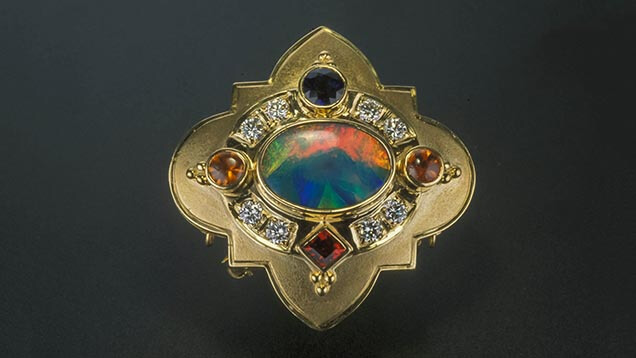
Porównywany przez artystów do galaktyk i wulkanów, opal jest jednym z najpiękniejszych kamieni szlachetnych. Dzięki unikalnej grze kolorów był ceniony przez wiele kultur na przestrzeni dziejów, od wieków urzekając ludzi. W tym artykule poznamy bogatą historię opalu, od jego odkrycia do współczesnego wykorzystania w biżuterii i innych przedmiotach dekoracyjnych.
Występowanie
Znaleziony na terenie Etiopii w rejonie Morza Śródziemnego około 4000 lat p.n.e. opal szybko zyskał popularność. Używano go do wyrobu biżuterii i przedmiotów użytkowych, jednak odkryte złoża szybko się wyczerpały, a wraz z zanikiem podaży zmalało zainteresowanie tęczowym klejnotem. Niewielkie złoża z czasem odkryto na Węgrzech, w Czechach i na Słowacji, a w XVIII wieku nowe, bogate skupiska opalu znaleziono w Meksyku, co spowodowało, że zaczął ponownie zyskiwać na popularności. W latach 80. XIX wieku ogromne pokłady minerału najwyższej jakości odnaleziono w Australii, która od tamtej pory stała się głównym producentem opalu na świecie. Na mniejszą skalę wydobywany jest współcześnie także w Brazylii, Etiopii, w Indiach i USA.
Ciekawostka
Jednym z najbardziej znanych opali na świecie jest „Olympic Australis”, który został odkryty w Australii Południowej w 1956 roku. Waży on 17 000 karatów i jest wyceniany na ponad 2,5 miliona dolarów. Kamień szlachetny znajduje się obecnie w Muzeum Południowej Australii i jest popularną atrakcją turystyczną.

Budowa opalu
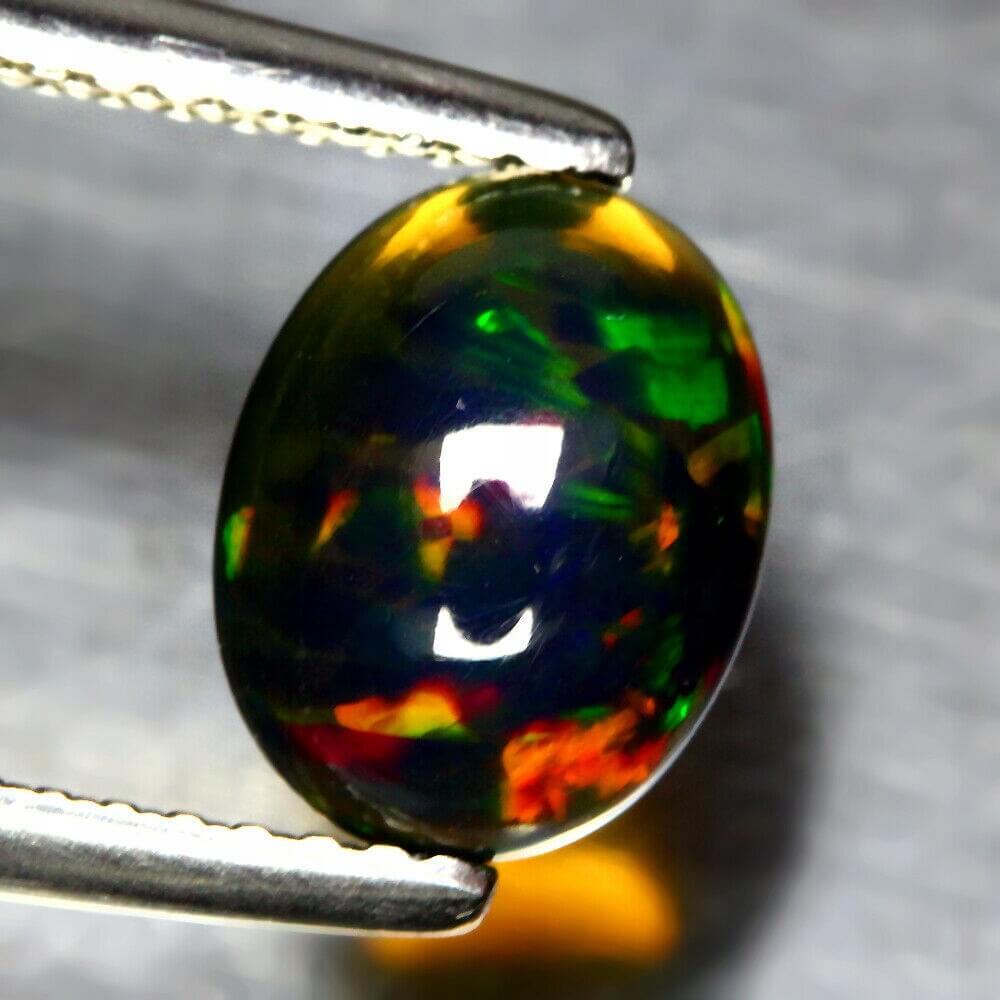
Opale powstają w wyniku procesów geologicznych, takich jak wulkanizm, hydrotermalizm i wietrzenie. Minerał składa się głównie z krzemionki hydratowej, w której kryształy układają się strukturę amorficzną, co oznacza, że nie mają regularnego układu sieci krystalicznej – to właśnie tej właściwości opal zawdzięcza swoje niepowtarzalne barwy. Efekt migotania klejnotu, znany jest jako efekt opalowy lub opalescencja jest wynikiem dyfrakcji światła przez strukturę kamienia. W zależności od warunków, w jakich się uformował, opal może być przezroczysty, półprzezroczysty lub nieprzezroczysty, a kolor „tła” kamienia przybiera barwę bieli, czerni, jak również każdego innego koloru widma wizualnego. Czarny opal jest uważany za najrzadszy – może kosztować ponad 10 tysięcy dolarów za karat! – podczas gdy białe, szare i zielone opale są najbardziej powszechne.
Pochodzenie nazwy
Jak wspomnieliśmy wyżej, opal jak żaden inny klejnot mieni się niezwykłą grą barw i odcieni, która m.in. obejmuje czerwień rubinu, zieleń szmaragdu, żółć topazu, błękit szafiru i purpurę ametystu. Tę niezwykłą właściwość ujęto w nazwie kamienia – uważa się, że pochodzi od sanskryckiego słowa upala (उपल), które oznacza „klejnot”, co w późniejszym czasie język grecki przemianował na opállios (ὀπάλλιος – „widzieć zmianę koloru”), zaś w języku łacińskim nazwa opalu pochodzi od słowa „opalus”, pokrewnie z sanskrytem oznaczającego „kamień szlachetny” lub „cenny kamień”.

Dawne wierzenia
Egipcjanie jako pierwsi dostrzegli wartość kamienia i zaczęli używać go przy tworzeniu biżuterii – zarówno do ozdób osobistych, jak i do celów pogrzebowych – wierząc, że opal posiada mistyczne moce i że może chronić użytkownika przed krzywdą w życiu doczesnym i po śmierci. Podobnie uważali rdzenni mieszkańcy Australii – aborygeni wierzyli, że opal posiada wysokie wibracje i może być używany do leczenia ciał jak i do ochrony duchowej energii. Kamienia używano również do celów leczniczych – starożytni Grecy wierzyli, że opal może leczyć choroby oczu, wątroby i nerek; sproszkowany kamień często dodawano do leków. We wszystkich wierzeniach starożytnych opal uważany był za symbol nadziei, czystości i wierności.
Biżuteria i inne przedmioty
Opal nadal jest cenionym kamieniem szlachetnym, stosowanym w produkcji ozdób i jubilerstwie artystycznym, np. do produkcji filiżanek i sztućców. Ze względu na swoją delikatną strukturę ( w dziesięciostopniowej skali Mohsa opal wykazuje twardość na poziomie 6), wymaga ostrożnego obchodzenia i specjalnej opieki. Bez względu na to, czy znajduje zastosowanie przy tworzeniu biżuterii na zamówienie – pierścionków, kolczyków, naszyjników – czy przedmiotów dekoracyjnych, opal jest pięknym dodatkiem do każdej kolekcji. W pracowni 79 Diamenty stworzymy dla Ciebie wymarzoną biżuterię zdobioną tym wyjątkowym, tęczowym klejnotem.