
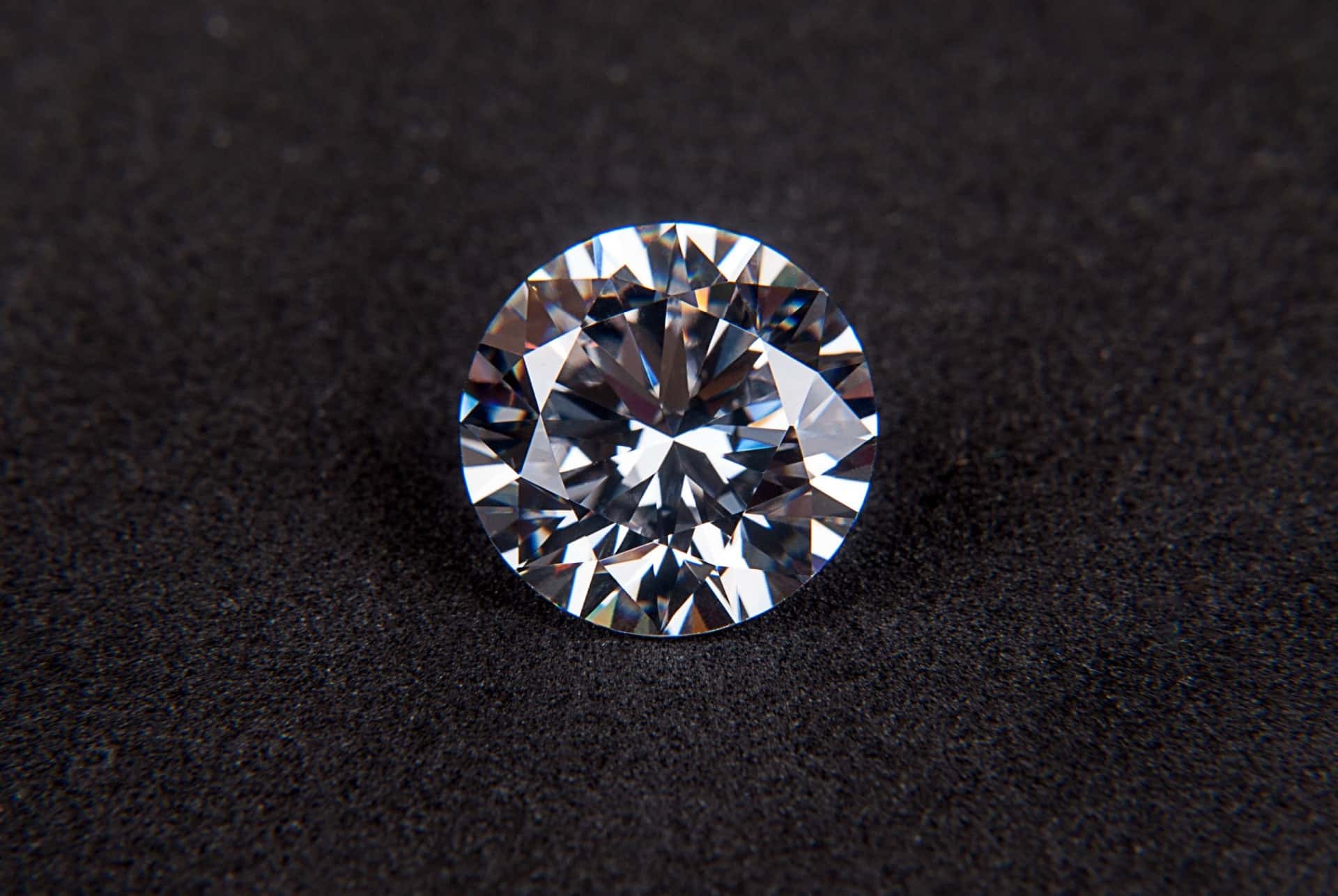
Największy diament znaleziono w kopalni w Premier Mine pod Pretorią w Afryce w 1905 roku.
Został on ofiarowany w 1907 roku królowi Edwardowi VII na jego 66 urodziny.
Na polecenie króla w 1908 roku dokonano podziału kamienia. Mistrzem, który się tego podjął był Joseph Asscher. Operacja podziału kamienia była niezwykle trudna, mistrz przygotowywał sie do tego zadania przez trzy miesiące. Od jednego uderzenia zależała jego dalsza kariera. Presja była tak silna, że po ponownym uderzeniu w kamień ( pierwsze spowodowało pęknięcie ostrza ) Joseph Asscher stracił przytomność. Podział się udał, w dalszych pracach dzielenia diamentu brało udział trzech szlifierzy, którzy pracowali osiem miesięcy. Dzięki podziałowi uzyskano 9 ogromnych kamieni i 96 mniejszych.
Kamienie uzyskane po podziale potocznie nazywano Gwiazdami Afryki, nazwę Cullinan zyskał od nazwiska dyrektora angielskiej spółki diamentowej.
Cullinan I (Wielka Gwiazda Afryki) o masie 530,2 karata charakteryzuję się szlifem w kształcie kropli. Jest Największym szlifowanym diamentem na świecie. Zdobi Brytyjskie berło królewskie.
Cullinan II (Gwiazda Afryki) o masie 314 karatów o szlifie brylantowym, umieszczony w brytyjskiej koronie królewskiej
Cullinan III (mniejsza Gwiazda Afryki) o masie 94,4 karata, umieszczony w koronie królowej Marii, szlif w kształcie kropli
Cullinan IV (mniejsza Gwiazda Afryki) o masie 63,6karata
Cullinan V o masie 18,5 karata
Cullinan VI o masie 11,5 karata
Cullinan VII o masie 8,8 karata
Cullinan VIII o masie 6,8 karata
Cullinan IX o masie 4,39karata
Wielka Gwiazda Afryki była największym w historii znalezionym diamentem, aż do 1986 roku w chwili, gdy odkryto Golden Jubilee. Diament został znaleziony nomen omen w tej samej kopalni w Afryce. Diament o masie 545,67 karatów, obecnie jest w posiadaniu króla Tajlandii Bhumibol’a Adulaydej’a, któremu to diament został podarowany.