
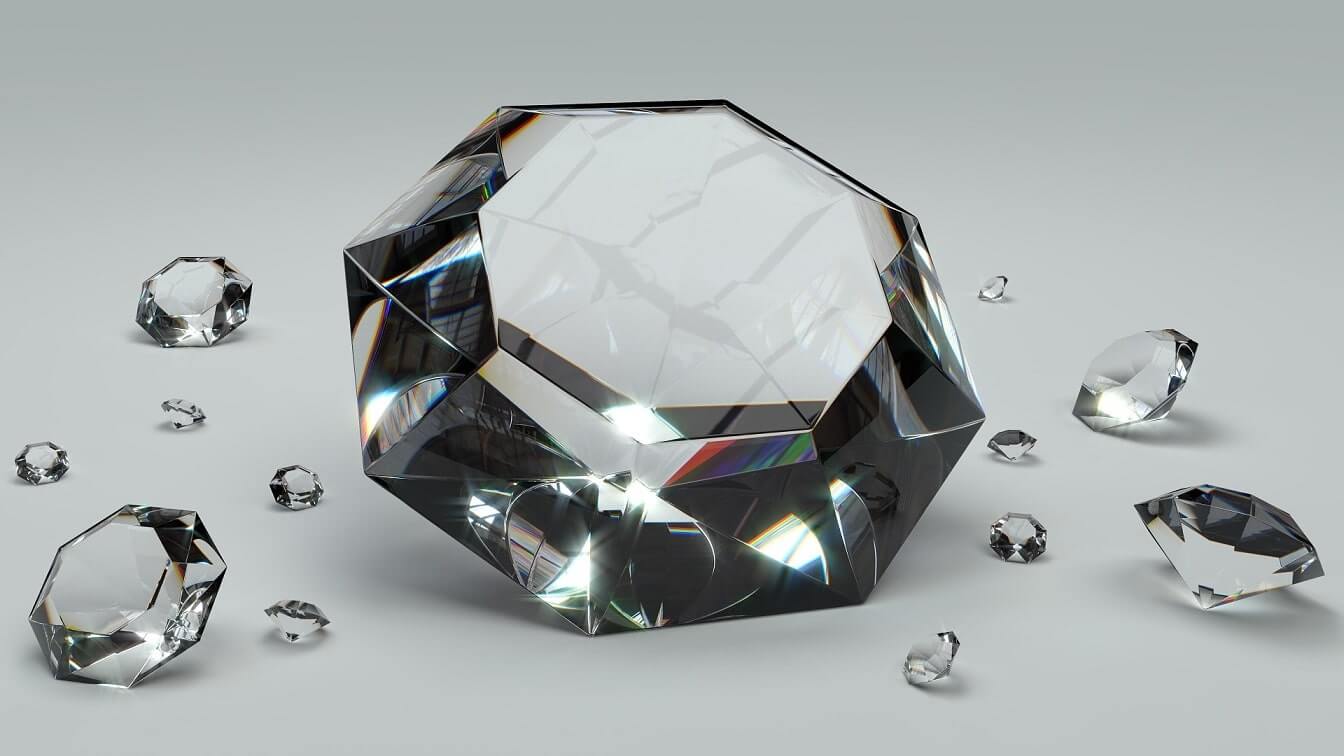
Klejnotami koronnymi nazywamy insygnia władzy świeckiej, do których zaliczają się przede wszystkim korony, berła, diademy, jabłka, miecze i pierścienie królewskie. Przedmioty te są unikatowymi dziełami sztuki złotniczej i jubilerskiej, przekazywanymi z pokolenia na pokolenie i mają wielką wagę historyczną, jak i ozdobną. Przez wieki zmieniały swój wygląd i charakter, by jak najwierniej oddawać przepych danej epoki oraz symbolikę statusu społecznego rodziny królewskiej. Wyjątkowe wzornictwo klejnotów dużo mówi nam o artystycznym rzemiośle ich twórców, jak i o upodobaniach estetycznych władców, na życzenie których powstały. Choć kojarzą się przede wszystkim z brytyjską monarchią, wiele innych krajów w Europie (a także w innych częściach świata) również ma swoje klejnoty koronacyjne.
Austria
Austriackie klejnoty koronne obejmują kolekcję koron, mieczy, pierścieni, krzyży, świętych relikwii oraz szat królewskich związanych z ceremonią koronacji. Szaty pierwotnie nosił cesarz Świętego Cesarstwa Rzymskiego, a później cesarz austriacki podczas koronacji i innych uroczystości państwowych. Klejnoty koronne pochodzą z okresu od X do XIX wieku i są w większości przechowywane w Skarbcu Cesarskim Schatzkammer.
Bawaria (obecne Niemcy)
W 1806 r., kiedy Napoleon zmienił porządek na mapie Europy, nadał niemieckiemu księstwu Bawarii status królestwa. Nowy król Bawarii, Maksymilian I, upamiętnił to wydarzenie, nakazując wykonanie klejnotów koronnych dla nowych monarchów kraju. Kolekcja składa się z berła, jabłka królewskiego, pierścienia z brylantem, korony, tiary i szat królewskich. Korona została ozdobiona rubinami, diamentami, szmaragdami, szafirami i perłami. Osiem złączonych blach tworzy półkoliście zakończony prostokąt, a frontalną płytę wieńczy krzyż. Na koronie umieszczono wygrawerowane figury Jezusa, Ezechiasza, Izajasza, króla Dawida, który symbolizuje sprawiedliwość, oraz króla Salomona uosabiającego mądrość. Dziś klejnoty koronacyjne można podziwiać w skarbcu pałacu Residenz w Monachium.
Republika Czeska (Bohemia)
Czeskie klejnoty koronne składają się z korony świętego Wacława, orła królewskiego, berła, szat koronacyjnych, złotego krzyża relikwiarzowego i miecza świętego Wacława. Korona jest bardzo ważnym reliktem historycznym dla naszych sąsiadów, gdyż od 1347 do 1863 roku była insygnium koronacyjnym królów czeskich. Wykonana została z 22-karatowego złota i składa się z czterech segmentów zwieńczonych liliami heraldycznymi. Cała jest wysadzana drogocennymi kamieniami w formie kaboszonów. Jako ozdobę korony wykorzystano perły, szafiry, szmaragdy oraz wspaniały, 250 – karatowy rubin. Korona znajduje się w katedrze św. Wita w Pradze, gdzie raz na pięć lat można ją podziwiać podczas zaprzysiężenia nowego prezydenta Republiki Czeskiej.
Dania
Duńskie regalia koronne zawierają koronę, berło, Orban, miecz namaszczenia i ampułę – wszystkie wykonane ze złota i klejnotów. Pierwotnie było więcej duńskich regaliów, ale niektóre zostały sprzedane przez Chrystiana II w 1523 roku, a inne przez Chrystiana IV w latach dwudziestych XVI wieku. Miecz jest najstarszym przedmiotem w obecnej kolekcji, pochodzi z 1551 roku. Najważniejszym zaś jest Korona Królów Absolutystów, która ma zamkniętą strukturę, a na froncie zdobi ją duży szafir. Duńczycy używają terminów „stare regalia” i „nowe regalia”, aby rozróżnić klejnoty, które były na miejscu przed utworzeniem monarchii absolutnej w 1660 roku.
Włochy
Każdego roku, 2 czerwca, Włochy obchodzą Dzień Republiki na pamiątkę instytucjonalnego referendum z 1945 roku, które pozwoliło Włochom wybrać formę rządu w ich kraju. Moment ten oznaczał odejście króla Umberto II Sabaudzkiego i jego rodziny oraz narodziny nowej Republiki. Co się wówczas stało z włoskimi klejnotami koronnymi? Zostały ukryte w kufrze w sejfie Banku Włoch. Ta mała skrzynia skarbów jest dziś wyceniana na około 1,5 miliarda euro, z ponad 1200 karatami diamentów i innych kamieni szlachetnych, ozdabiających umieszczone w niej kosztowności. Szczegółowa zawartość jest znana tylko nielicznym, ponieważ skrzynia nigdy nie była otwierana. Została ona sfotografowana, a następnie zamknięta dwunastoma pieczęciami; może być otwarta tylko w obecności Prezydenta Republiki i Gubernatora Banku Włoch. Klejnoty koronne składają się z Korony Ferrea (Żelaznej Korony Lombardii – legenda głosi, że została ona wykonana z gwoździ użytych do ukrzyżowania Jezusa), Chokera Najwyższego Zakonu Zwiastowania Najświętszej Marii Panny i kilku bransolet o prostokątnych ogniwach, wykonanych w 1868 roku z diamentami osadzonymi w złocie i srebrze.
Klejnoty koronne w dzisiejszym świecie biżuterii szlachetnej
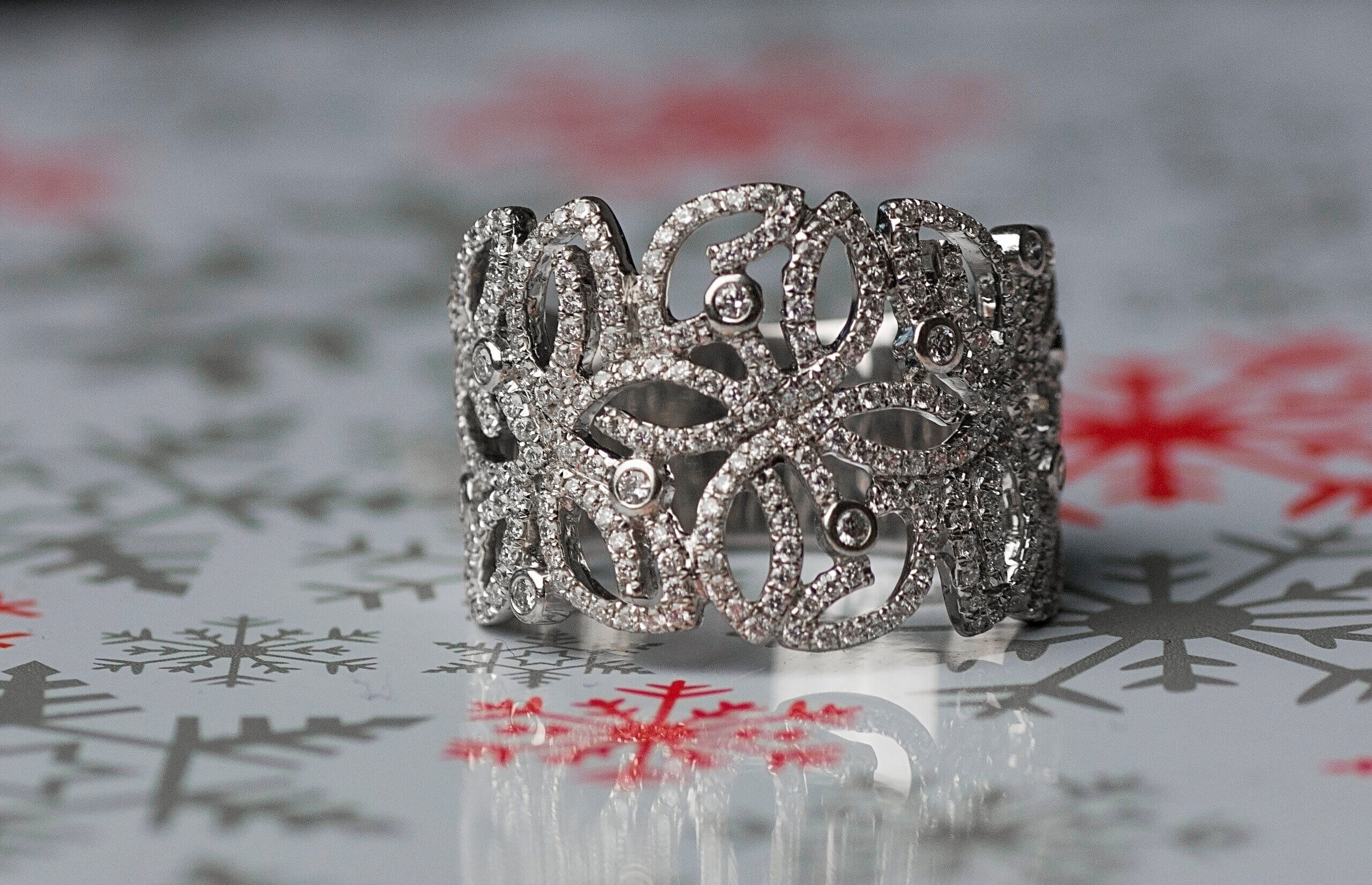
Unikatowe wzornictwo klejnotów koronnych inspiruje kolejne rzesze jubilerów i złotników na całym świecie. Współczesne chokery są idealnym przykładem królewskiej biżuterii, która z arystokratycznych salonów wyszła „na ulicę” i natychmiast podbiła serca modystek. Spersonalizowane ozdoby na łańcuszkach i pierścionkach są szczególnie ważne dla kobiet, które lubią czuć się wyjątkowo i podkreślać swój indywidualny styl, stąd wiele firm jubilerskich – by spełniać marzenia i oczekiwania swoich Klientek – umożliwia zakup złotej biżuterii na zamówienie. Do najpopularniejszych wyrobów biżuteryjnych należy przede wszystkim biżuteria z brylantami, która poza funkcją nobilitacji społecznej jest również doskonałą lokatą kapitału.