
Choć historia użytkowania diamentu przez człowieka sięga jeszcze czasów starożytnych, aż do XX wieku nie było uzgodnionego standardu, według którego można by oceniać ten wyjątkowy kamień szlachetny. Dopiero w latach 50-tych Gemological Institute of America (GIA) – światowy autorytet w dziedzinie kamieni szlachetnych – stworzył pierwszy, a obecnie globalnie akceptowany standard opisu diamentów, który bazuje na czterech wartościach: Color (barwa) Clarity (czystość), Cut (szlif) i Carat Weight (waga karatowa), który nazywany jest inaczej metodą 4C jakości diamentu. Stworzenie standardu 4C oznaczało dwie bardzo ważne rzeczy: jakość diamentów mogła być przekazywana i utrwalana w uniwersalnym języku, a klienci diamentów mogli odtąd dokładnie wiedzieć, co zamierzają kupić.
BARWA
Ocena koloru diamentu opiera się przede wszystkim na jego braku. Chemicznie czysty i strukturalnie doskonały diament nie ma odcienia, jak kropla czystej wody, a co za tym idzie, im mniej koloru w diamencie, tym wyższa jego wartość. Bezbarwne (białe) diamenty są jednak bardzo rzadkie, praktycznie niespotykane, a te, które powierzchownie oceniamy jako bezbarwne, i tak mają lekkie zabarwienia, na co wpływ ma obecność innych pierwiastków w sieci krystalicznej diamentu, takich jak azot, mangan czy bor.
Do oceny koloru GIA stworzyła skalę, która jest najczęściej używaną w przemyśle jubilerskim. Skala zaczyna się od litery D, która oznacza brak barwy, z rosnącą obecnością koloru aż do litery Z (D-to-Z).
Skala barw diamentów opisywana jest następująco:
D, E, F – bezbarwne
G, H, I, J – bliskie bezbarwnych
K, L, M – lekko żółte
N, O, P, Q, R – jasne żółte
S, T, U, V, W, X, Y, Z – żółte
System klasyfikacji kolorów diamentów mierzy stopień bezbarwności poprzez porównanie kamienia w kontrolowanym oświetleniu i precyzyjnych warunkach oglądania do kamieni wzorcowych o ustalonej wartości koloru. Wiele z tych różnic w kolorze diamentu jest tak subtelnych, że są one niewidoczne dla niewprawnego oka. Potrzeba doświadczonego gemmologa, który precyzyjnie określi różnicę, gdyż w efekcie przekłada się to na wartość i cenę kamienia.
CZYSTOŚĆ
Naturalne diamenty są tworzone, gdy element węgla jest wystawiony na działanie ogromnej temperatury i ciśnienia głęboko w ziemi. Proces krystalizacji może skutkować różnymi wewnętrznymi cechami, zwanymi „inkluzjami” (zanieczyszczenia) i zewnętrznymi cechami, zwanymi „skazami”. GIA stworzyła skalę z 6 kategoriami, z których niektóre zostały dodatkowe podzielone, aby stworzyć w sumie 11 indywidualnych klas przejrzystości.
Ponownie, trzeba doświadczonego gemmologa, aby prawidłowo określić stopień czystości, ponieważ większość ludzi nie będzie w stanie zobaczyć niektórych z inkluzji lub skaz bez użycia lupy o min. 10-cio krotnym powiększeniu. Gemmolog weźmie pod uwagę rozmiar diamentu w stosunku do zagęszczenia, rozmieszczenia oraz wielkości skaz i inkluzji, by określić precyzyjnie stopień czystości.
Podczas gdy żaden diament nie jest idealnie chemicznie czysty, zbyt duża ilość inkluzji obniża poziom błyszczenia oraz istotnie wpływa na przeźroczystość kamienia i powoduje niewłaściwe rozchodzenie się promieni świetlnych wnikających do wnętrza diamentu.
Kategorie określenia czystości:
LC/FL – (Loup Clean, Free of Inclusions/Flawless) Brak inkluzji i skaz widocznych pod 10- krotnym powiększeniem
VVS1, VVS2 ((Very, Very Small Inclusions) Inkluzje tak nieznaczne, że są trudne do zauważenia przez wykwalifikowanego gemmologa pod 10- krotnym powiększeniem
VS1, VS2 (Very Small Inclusions) – Bardzo nieznacznie inkluzje, widoczne z wysiłkiem pod 10- krotnym powiększeniem
SI – (Small Inclusions) Inkluzje są łatwo zauważalne pod 10- krotnym powiększeniem
P1, P2, P3 (Inclusions)- kamienie najniższej klasy. Inkluzje są natychmiast zauważalne pod 10- krotnym powiększeniem, jak również dla nieuzbrojonego oka.

SZLIF
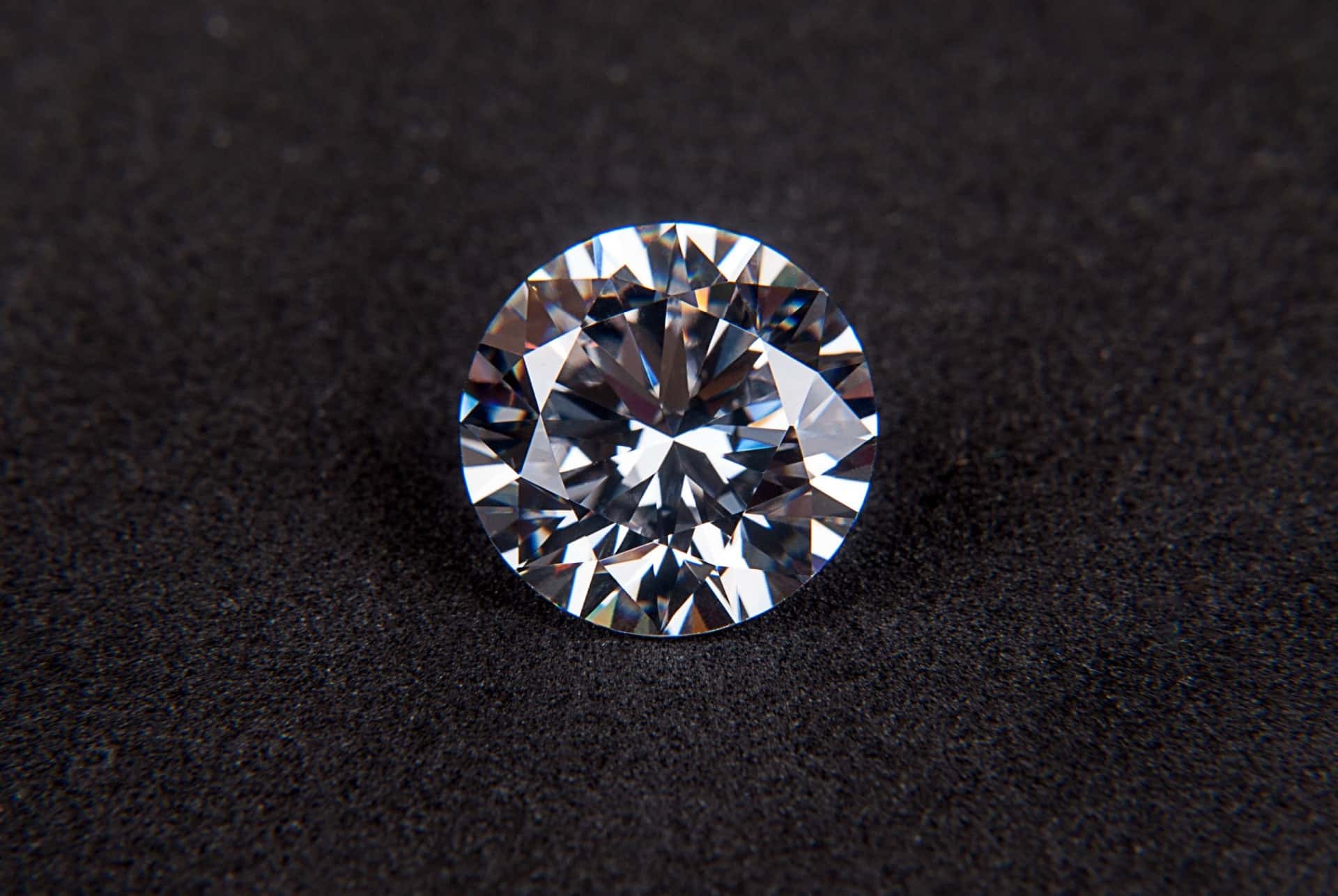
W opinii wielu jubilerów szlif jest prawdopodobnie najważniejszym aspektem jakości diamentu, który wpływa na jego piękno. Szlif odnosi się w szczególności do jakości i precyzji cięcia diamentu. Tylko idealny szlif gwarantuje wydobycie żaru z kamienia i idealne odbijanie światła od faset. Wszystkie diamenty będą miały pewne „iskrzenie”, ale im lepszy szlif, tym więcej iskry będzie miał diament. Ze wszystkich C jakości diamentu, jest to parametr najbardziej złożony i technicznie najtrudniejszy do analizy.
Jak GIA przypisuje diamentowi klasę szlifu?
GIA ocenia szlif brylantu na podstawie siedmiu elementów – jasności, ognia, blasku, proporcji wagi, trwałości, poleru i symetrii – aby uzyskać ocenę szlifu diamentu GIA, która waha się od doskonałej do słabej.
Skala:
Excellent
Very Good
Good
Fair
Poor
Ocena jest ustalana na podstawie najniższej oceny, jaką diament otrzymuje dla pięciu z siedmiu komponentów. Innymi słowy, jeśli diament otrzyma ocenę słabą za jasność, to najwyższą oceną za szlif może być ocena słaba. Wyjątek stanowią poler i symetria, które są oceniane przy użyciu standardowej metodologii GIA: Diament z bardzo dobrą polerownością i/lub symetrią może na przykład otrzymać ocenę doskonałą.
Najczęściej stosowane szlify w jubilerstwie
1. Szlif Brylantowy (okrągły)
2. Szlif Gruszka (lub kropla, łezka)
3. Szlif Markiza
4. Szlif Owal
5. Szlif księżnej “Princess” (kwadratowy)
6. Szlif Szmaragdowy
7. Szlif Serce
8. Szlif Baquette
9. Szlif Trillion
10. Szlif Asscher
11. Szlif Radiant
12. Szlif Trapezowy
WAGA KARATOWA
Często, gdy ludzie słyszą termin „waga karatowa”, myślą, że odnosi się on do wielkości diamentu, gdy w rzeczywistości odnosi się do jego wagi. Masę diamentów podajemy w karatach metrycznych, przy czym jeden karat (ct) ma masę 200 miligramów. Jego nazwa pochodzi od ziaren drzewa szarańczyn strąkowy (łac. ceratonia siliqua), które są bardzo regularne i po wysuszeniu mają tę samą wagę – 0,2g. Dzięki temu już w średniowieczu na Bliskim Wschodzie używano ich do mierzenia masy metrycznej kamieni szlachetnych.
Im cięższy diament, tym jest rzadszy i bardziej wartościowy, ale jego cena zależy przede wszystkim od proporcji szlifu. Cięższe brylanty mogą być wizualnie mniejsze lub większe w zależności od tego, jak zostały oszlifowane.
BIŻUTERIA Z BRYLANTAMI
Wszystkie cztery główne parametry jakości diamentu odgrywają ważną rolę w tym, jak diament (nazywany brylantem po procesie oszlifowania) wygląda i jak wyceniono jego wartość. Decydując się na biżuterię z brylantami, konieczne jest, aby znaleźć właściwą równowagę cech diamentu i jego ceny, określoną przy użyciu metody 4C, w stosunku do budżetu, którym się dysponuje. Optymalnym rozwiązaniem jest zakup biżuterii na zamówienie w profesjonalnej pracowni jubilerskiej. Doświadczony projektant biżuterii wysłucha inspiracji Klienta, tworząc na podstawie zebranych informacji projekt z perfekcyjnie dobranym diamentem, który uszczęśliwi obdarowaną osobę i spełni maksimum pokładanych w nim oczekiwań. Pracownia 79 Diamenty specjalizuje się w tworzeniu unikalnej i doskonale wykonanej złotej biżuterii na zamówienie, w szczególności ślubnej i zaręczynowej. Każdy projekt ma swoją historię i cechę wyjątkowości, która odróżnia biżuterię na zamówienie od tej, którą można kupić w sklepie.