
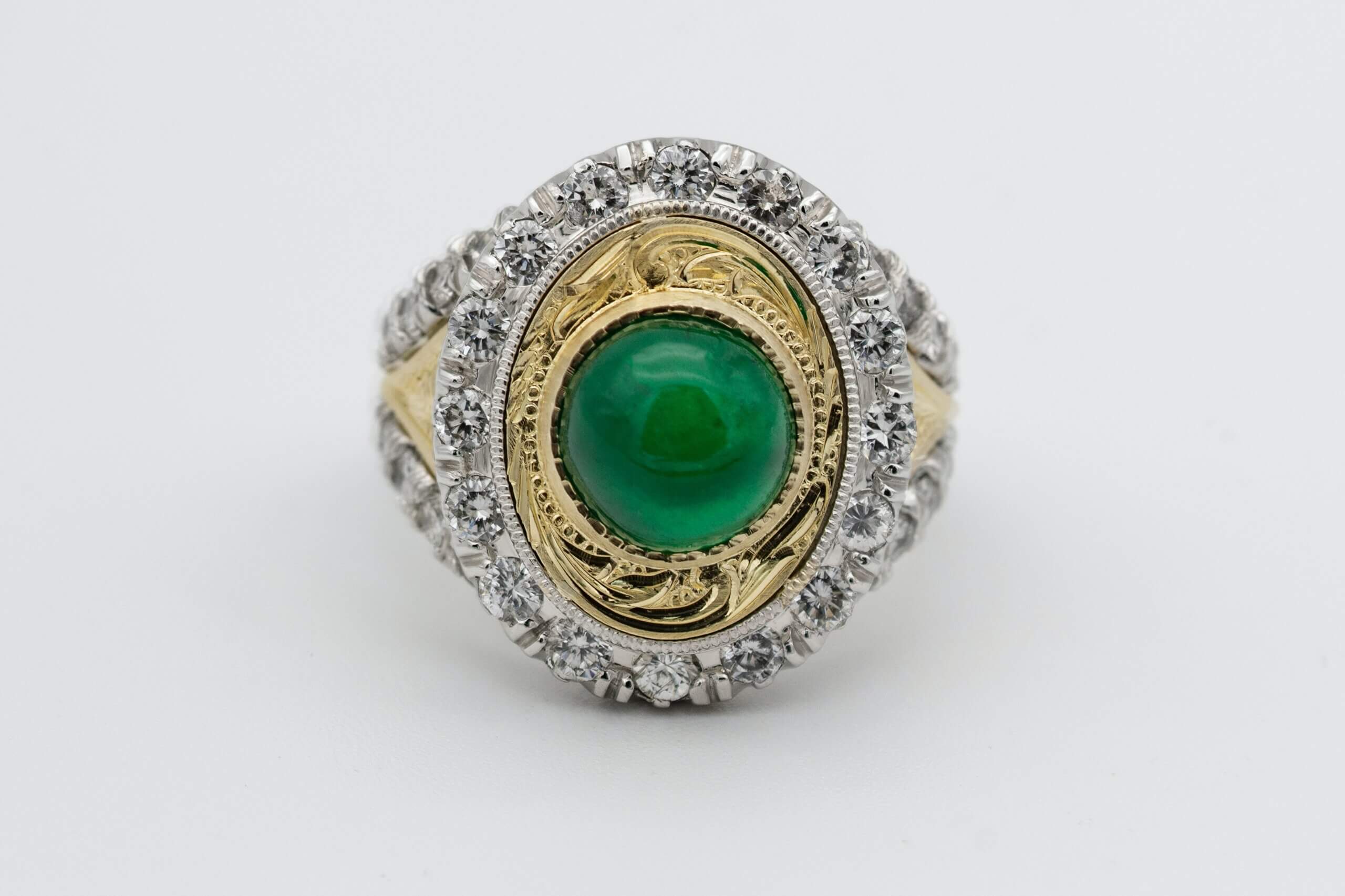
Lata następujące po II wojnie światowej były mile widzianym powrotem do luksusu w świecie mody, co znalazło odzwierciedlenie w stylach biżuterii tamtych czasów. Elementem definiującym wzornictwo biżuterii lat 50. był New Look – styl znany z kobiecej, krągłej sylwetki – wprowadzony przez Christiana Diora w 1947 roku. Silne wpływy paryskich wybiegów couture, hollywoodzkich filmów i ikon mody sprawiły, że kobiety szukały różnorodności w swojej biżuterii, a jubilerzy zaczęli tworzyć kolorowe, bogate projekty kosztowności, aby dopasować styl biżuterii do kobiecej mody. Poniżej przyjrzyjmy się niektórym z najbardziej pamiętnych trendów biżuteryjnych z połowy XX wieku.
Trendy w biżuterii z lat 50-tych
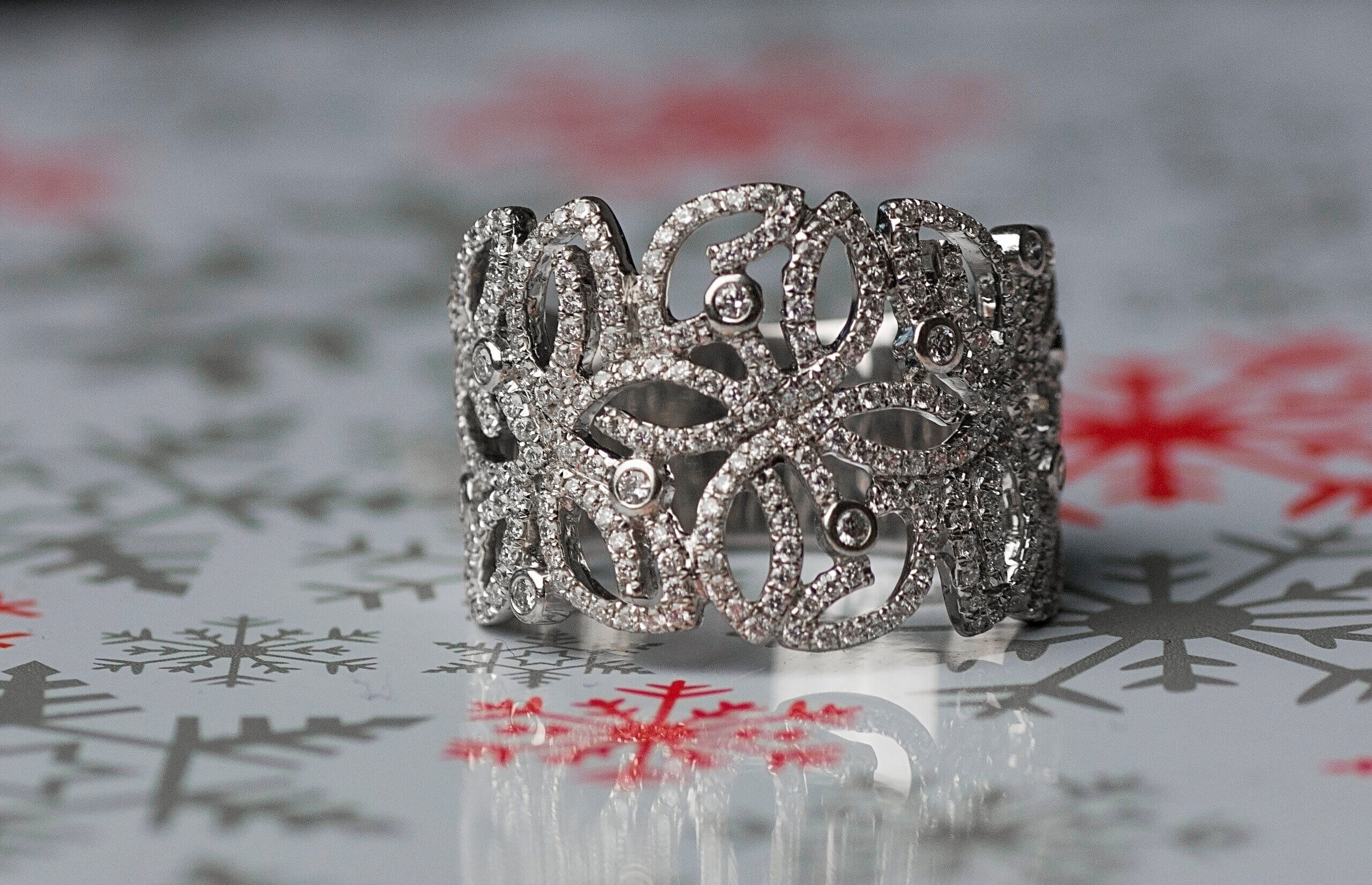
Popularnym trendem, który zdefiniował biżuterię lat 50-tych były kosztowności wykonane z żółtego i różowego złota – projekty z motywem kokardy, wstążek, frędzli, zwierząt, kwiatów i liści były niezbędnymi częściami garderoby. Równie popularna była biżuteria z pereł – prosty sznur, uważany za symbol bogactwa i elegancji, stał się nieodzownym uzupełnieniem stroju na każdą okazję. Zestawy biżuterii, znane jako „parury” (z j. francuskiego “parure”, czyli garnitur jubilerski) także zyskały ogromną popularność – kobiety zaczęły nosić pasujące do siebie kolczyki, naszyjniki, broszki, bransoletki i pierścionki. Triumf świeciła również biżuteria wykonana z kryształów górskich oraz biżuteria z motywami kwiatowymi, inspirowana epoką wiktoriańską. Do ulubionych kwiatów projektantów należały róże, tulipany, maki i słoneczniki, wykonane z turkusów i koralowców, nowości na ówczesnym rynku złotniczym. Niektóre popularne wzory biżuterii lat 50. nawiązywały do cech epoki atomowej – fantazyjne przedstawienia eksplozji, gwiazd, wirów, form geometrycznych, atomów i elektronów zdobiły gorsety sukni wielu kobiet.
Costume jewelry
Opisując style biżuteryjne lat 50-tych nie można pominąć tzw. „biżuterii kostiumowej”, która została pierwotnie zaprojektowana na potrzeby przemysłu filmowego. Rekwizytorskie kosztowości były jednak nie do odróżnienia od biżuterii szlachetnej. Wyjątkowa jakość imitacji zrewolucjonizowała złotnictwo tamtego okresu, sprawiając, że biżuteria przestała być jedynie symbolem statusu społecznego, a zaczęła nieść z sobą radość i lekkość.
Dzięki biżuterii kostiumowej, niezwykle popularne stały się zestawy wykonane z fałszywych pereł, syntetycznych klejnotów – od rubinów, poprzez szafiry i szmaragdy – emalii i tworzyw sztucznych z żywicy akrylowej w różnych kolorach, takich jak Lucite i Bakelite. Ogromny sukces sztucznej biżuterii podyktowany był przede wszystkim faktem, że nie wszyscy mogli sobie pozwolić na zakup szlachetnej biżuterii. Bajeczne podróbki pozwalały kobietom o skromnych dochodach na kopiowanie stylu Marilyn Monroe, Audrey Hepburn czy Grace Kelly, ikon ponadczasowej, klasycznej elegancji. Wszystko to było możliwe dzięki zastosowaniu niedrogich materiałów do wyrobu biżuterii.
Biżuteria z lach 50-tych współcześnie
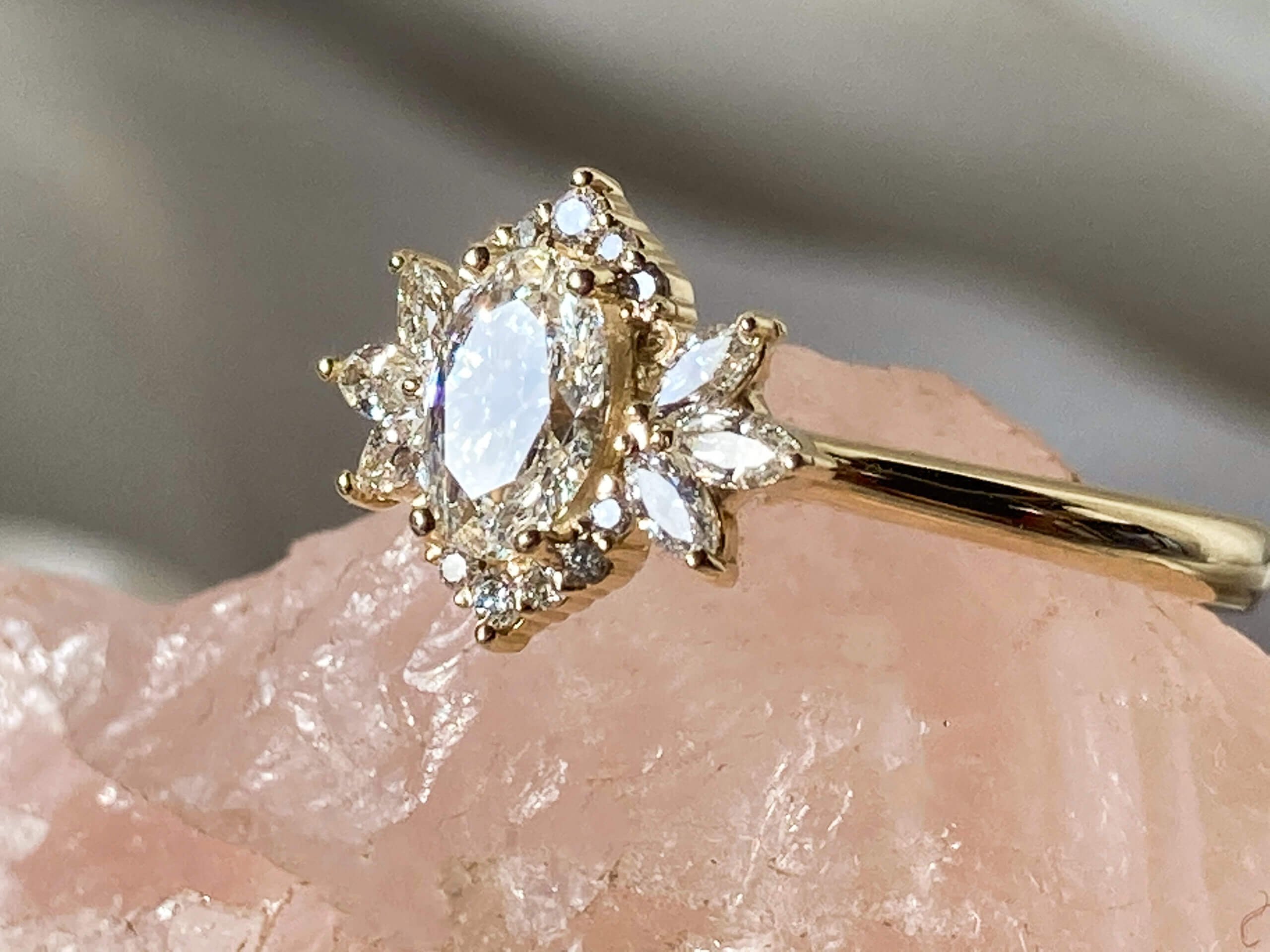
Biżuteria z lat 50-tych może pasować do wielu stylów, zarówno klasycznych, jak i współczesnych. Choć w latach pięćdziesiątych etykieta jubilerska mówiła, aby nigdy nie łączyć złota ze srebrem, dziś złamanie tej starej zasady zapewni Ci świeży, aktualny wygląd. Możesz nakładać na siebie naszyjniki w stylu vintage o różnych fakturach, kształtach i długościach, para złotych kolczyków z guzikami, kwiatowa broszka, bransoletka z siatki, czy złoty pierścionek z diamentem w stylu z epoki również dodadzą wyjątkowości i charyzmy Twojemu strojowi, bez względu na to, czy masz na sobie sukienkę koktajlową, czy tweedowe spodnie, połączone z jeansową kurteczką. W modzie to dodatki czynią strój kompletnym. Aby efekt był tym bardziej zachwycający, warto wybrać komplet złotej biżuterii na zamówienie. Będziesz mieć wówczas pewność, że Twoja biżuteria będzie niepowtarzalna i idealnie dopasowana do Twojego gustu.